When most people picture building a website, they imagine registering a brand-new domain and starting from zero — no traffic, no authority, no history. But experienced digital asset operators know there is a faster path: building on an aged domain that already carries years of history, established backlinks, and standing in the eyes of search engines. Done correctly, this approach can compress months or years of foundational SEO work into a running start.
Done carelessly, it can also import a domain’s hidden liabilities — spam history, manual penalties, toxic backlinks — and doom a project before it begins. This playbook covers how to build genuine authority sites on aged domains the right way: how to evaluate candidates, avoid the traps, and develop the asset into a durable, ranking property.
What Is an Aged Domain — and Why It Matters
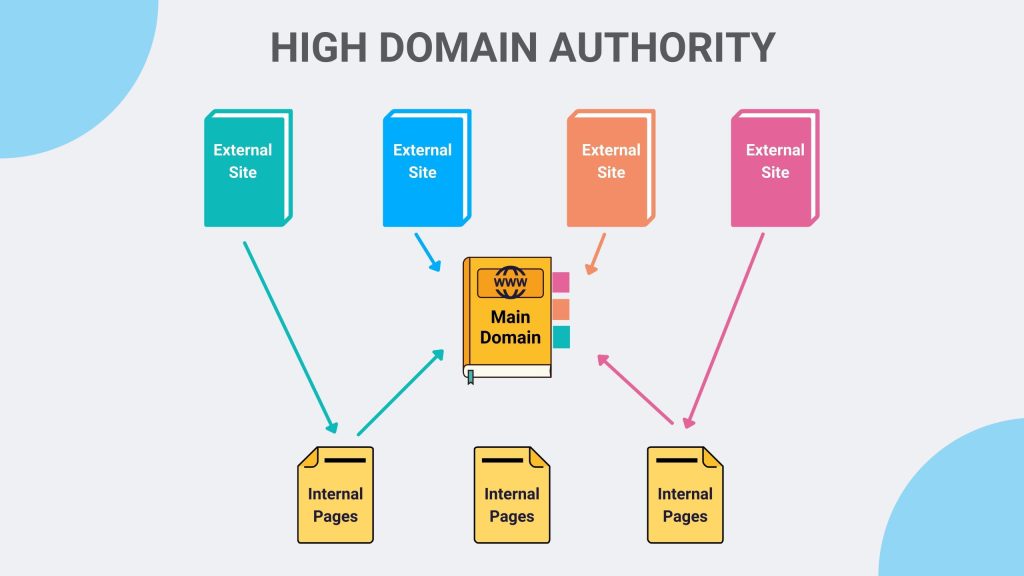
An aged domain is simply a domain that has been registered and, ideally, actively used for a meaningful period. Age alone is not magic; a domain that merely sat parked for a decade offers little. The real value lies in a domain’s history of legitimate use: content that was indexed, links earned from reputable sites, and a track record that signals trust. Search engines tend to extend more initial confidence to a domain with a credible past than to one registered yesterday, which can translate into faster indexing and earlier ranking for a well-built new site.
The Advantages of Building on an Aged Domain
- Existing backlink equity: Inherited links from quality sources can provide authority that would take years to earn from scratch.
- Established trust signals: A clean history of legitimate use can shorten the period before a new site is taken seriously.
- Faster indexing: Search engines often crawl and index known domains more readily than brand-new registrations.
- Brand and recall potential: A name that previously served a real business may retain residual recognition and type-in traffic.
The Risks You Must Screen For
Every advantage of an aged domain comes paired with a potential liability. Before building anything, screen rigorously for:
- Penalty history: A domain that earned a manual action or was hit by an algorithmic filter may carry that baggage forward, suppressing any new site built on it.
- Toxic backlink profiles: Links from spam networks, link farms, or irrelevant low-quality sites can drag down a new project and may require disavowal.
- Off-topic history: A domain whose past content is wildly unrelated to your intended use sends mixed signals and dilutes inherited relevance.
- Spam or abuse associations: Domains previously used for spam, malware, or deceptive practices can be flagged in ways that persist.
The golden rule: an aged domain is only an asset if its history is clean and relevant. A questionable history is a liability dressed as an opportunity.
How to Evaluate an Aged Domain Before Building
Due diligence is non-negotiable. Examine the domain’s historical content through web archives to understand how it was actually used. Review its backlink profile for quality and relevance. Check that its prior topic aligns reasonably with your intended direction. Investigate whether it shows any signs of past penalties or sudden traffic collapses. Only after a domain passes every check should it earn a place in your development pipeline. A name that fails any single screen is rarely worth the discount.
The Authority Site Build Playbook
1. Align New Content With Historical Relevance
Where possible, build content that respects the domain’s established topical theme. Continuity of subject matter preserves and reinforces the relevance signals the domain already carries, rather than forcing search engines to re-evaluate it from scratch.
2. Publish Genuinely Useful, In-Depth Content
Inherited authority opens the door, but it does not keep you in the room. Sustainable rankings come from content that demonstrably helps readers — thorough, accurate, experience-backed material that answers real search intent. An aged domain accelerates the start; quality content sustains the climb.
3. Preserve and Build the Link Profile
Protect valuable inherited links by maintaining or appropriately redirecting the URLs that earned them. Then build on that foundation with new, legitimately earned links that reinforce the site’s growing authority.
4. Establish Clear E-E-A-T Signals
Make experience, expertise, authoritativeness, and trust visible: clear authorship, transparent ownership, accurate information, and a professional presentation. These signals matter more than ever and compound the head start an aged domain provides.
Frequently Asked Questions About Aged Domains
Does an older domain automatically rank better?
No. Age is only valuable when paired with a clean, relevant history and quality backlinks. A neglected or penalized aged domain can rank worse than a fresh one. Content quality and relevance ultimately drive rankings.
How do I check an aged domain’s history before buying?
Review archived versions of the site to see past content, analyze the backlink profile for quality and relevance, and look for any signs of penalties or abrupt traffic loss. Treat any red flag as a reason to walk away.
Can I change the topic of an aged domain?
You can, but a dramatic topic shift discards much of the relevance value that made the domain attractive. Staying close to the original theme preserves inherited authority; a complete pivot resets many of the advantages.
Is building on an aged domain better than starting fresh?
For projects where a faster ranking trajectory matters and a clean, relevant aged domain is available, it can be a significant advantage. For purely brand-led projects, a fresh domain may be the better fit. The right choice depends on goals, budget, and the quality of available aged candidates.
The Bottom Line on Aged Domain Authority Sites
An aged domain is a powerful accelerant, not a shortcut around the fundamentals. The operators who succeed with them do the unglamorous work first — rigorous due diligence to confirm a clean, relevant history — and then build genuinely valuable sites that honor the domain’s established theme. Treated this way, an aged domain transforms the slowest phase of building an authority site into a running start. Skip the diligence, and that same domain can quietly sabotage everything built on top of it. The difference, as always, is discipline.
