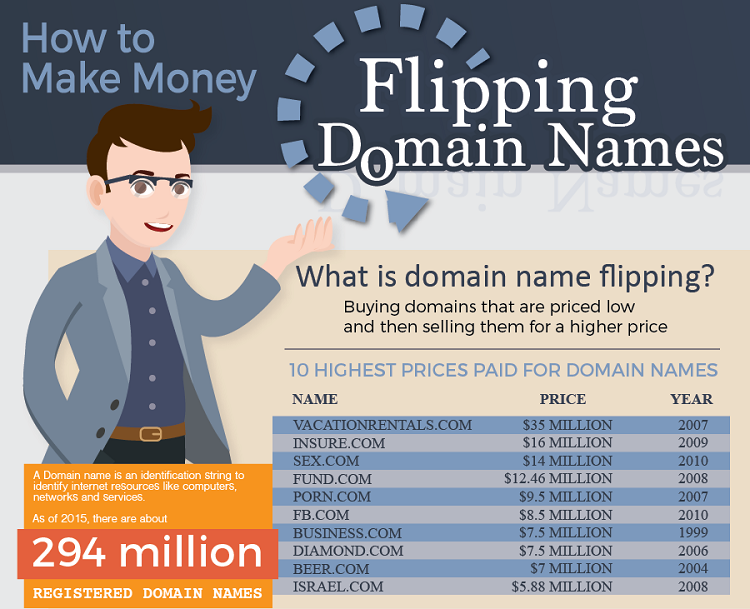
Some people collect rare coins. Others flip houses. A growing number of digital entrepreneurs have discovered a different kind of asset that can be bought low and sold high: domain names. Domain flipping — the practice of acquiring domains and reselling them for a profit — has matured from a speculative hobby into a legitimate corner of the digital economy, with individual names occasionally changing hands for five, six, and even seven figures.
But for every headline-grabbing sale, there are thousands of domains that never move, tying up capital and registration fees. The difference between a profitable flipper and a hopeful hoarder comes down to strategy: knowing what to buy, what to pay, how to add value, and where to sell. This guide walks through the complete domain flipping process the way a portfolio operator approaches it.
What Is Domain Flipping?
Domain flipping is the process of purchasing a domain name with the intention of reselling it at a higher price. The “flip” can happen quickly — buying an expiring domain at auction and reselling it within days — or it can play out over years as a name appreciates or develops traffic and authority.
At its core, flipping rests on a simple premise: domain names are not priced efficiently. A name that one registrant abandons may be exactly what another business desperately needs. The flipper sits in the middle of that information gap, acquiring undervalued names and connecting them with buyers willing to pay for the convenience, branding, or SEO value the domain provides.
The Three Main Domain Flipping Strategies
1. Quick Flips (Arbitrage)
Quick flips involve buying a domain and reselling it within a short window — sometimes hours, sometimes weeks — without changing the asset itself. Profit comes purely from identifying a pricing inefficiency: an undervalued auction listing, a registrant who priced their name too low, or a freshly dropped domain with obvious commercial appeal. Quick flips require strong market knowledge and fast execution, and margins on any single deal tend to be modest.
2. Develop and Sell
Here the flipper adds value before reselling. That might mean building a small website, attracting organic traffic, generating a trickle of revenue, or simply pointing the domain at a relevant landing page. A domain with demonstrable traffic and earnings commands a far higher multiple than a bare name, because the buyer is purchasing a working asset rather than potential. This approach takes longer and requires more skill but produces the largest margins.
3. Long-Term Hold (Appreciation)
Some flippers acquire names tied to emerging trends, technologies, or geographies and simply wait. A domain matching a rising industry term can multiply in value as that sector grows and competition for relevant names intensifies. The risk is opportunity cost — capital and renewal fees are tied up indefinitely, and not every trend pays off — but the upside on a well-chosen hold can dwarf any quick flip.
How to Find Domains Worth Flipping
Sourcing is where most of the profit is actually made. Overpay at acquisition and no amount of marketing will rescue the deal. The most reliable sourcing channels include:
- Expired and dropped domains: Names whose owners failed to renew re-enter the market, sometimes carrying existing backlinks, traffic, or brand recognition.
- Domain auctions: Marketplaces auction expiring and listed names daily. Sniping undervalued lots requires patience and a clear maximum bid.
- Hand registration: Registering brand-new names that match emerging keywords, products, or geographic terms before anyone else does — the cheapest acquisition path, though most hand-regs never sell.
- Private acquisitions: Approaching the owner of a parked or underused domain directly, often the only way to acquire a truly premium name.
Across all channels, the discipline is the same: buy names with obvious end-user demand, not names you personally find clever.
Valuing a Domain Before You Buy
A flipper’s profit is set at the moment of purchase. Before committing capital, evaluate each candidate against the factors that drive resale value: a strong extension (with .com still commanding the widest buyer pool), short and memorable length, keyword relevance with commercial intent, brandability, and any existing traffic, age, or backlink profile. Automated appraisal tools provide a rough starting point, but comparable sales data — what similar names have actually sold for — is the more reliable anchor. Treat any single estimate with skepticism and triangulate across multiple methods.
Where to Sell Flipped Domains
Even a perfect acquisition only pays off when it reaches a buyer. The main selling venues each have trade-offs:
- Domain marketplaces: The largest platforms offer enormous buyer reach and built-in escrow, at the cost of commission fees.
- Auctions: Useful for names with broad appeal and competitive demand, where bidding can push prices above a fixed listing.
- Direct outreach: The highest-margin route — identifying businesses that would benefit from the exact name and pitching them directly, bypassing marketplace fees entirely.
- Brokers: For premium names, a professional broker can negotiate larger deals and reach buyers an individual seller never could.
Common Domain Flipping Mistakes to Avoid
- Buying names you like instead of names buyers want. Personal taste is not market demand.
- Overpaying at auction. Set a hard maximum before bidding and walk away when it is exceeded.
- Ignoring trademark risk. Acquiring a name that infringes an existing brand can lead to losing the domain entirely with no compensation.
- Letting a portfolio bloat. Renewal fees on dozens of non-selling names quietly erode profits. Prune ruthlessly.
- Pricing emotionally. A name is worth what a buyer will pay, not what you hope it is worth.
Frequently Asked Questions About Domain Flipping
Is domain flipping still profitable?
Yes, but the easy gains of the early internet are gone. Today’s profits come from disciplined sourcing, accurate valuation, and patient selling rather than luck. Operators who treat it as a data-driven business — not a lottery — continue to do well.
How much money do I need to start flipping domains?
You can begin with very little by hand-registering names at standard registration cost, though hand-reg flips have low hit rates. Serious flippers typically allocate a working budget for auctions and acquisitions and accept that capital will be tied up across a portfolio while names mature.
How long does it take to sell a flipped domain?
It varies enormously. A well-priced name with obvious demand might sell in days; a speculative hold could take years. Most domains in a portfolio never sell at all, which is why pricing winners to cover the cost of the misses is essential.
What makes a domain easy to flip?
Short length, a .com extension, a real word or in-demand keyword, clear commercial intent, and no trademark conflicts. The easier a name is to spell, remember, and brand around, the larger its pool of potential buyers.
The Bottom Line on Domain Flipping
Domain flipping rewards the same qualities as any asset-trading business: rigorous sourcing, honest valuation, value-adding where possible, and patient, fee-conscious selling. The flippers who profit consistently are not chasing viral one-off sales — they are running a disciplined portfolio, buying undervalued names, occasionally developing them, and connecting each one with the buyer who needs it most. Approach it as a business rather than a gamble, and domain flipping remains one of the most accessible ways to turn digital assets into real returns.
More from Netmark Holdings
Master the Domain Flipping Process
- Where to Buy Domains to Flip: Auctions, Marketplaces, and Drops
- How to Price a Domain for a Fast Flip vs. a Long Hold
- Negotiating Domain Sales: Scripts and Tactics That Close Deals
- Using Escrow Safely: Protecting Both Sides of a Domain Flip
- Common Domain Flipping Mistakes That Kill Your ROI
